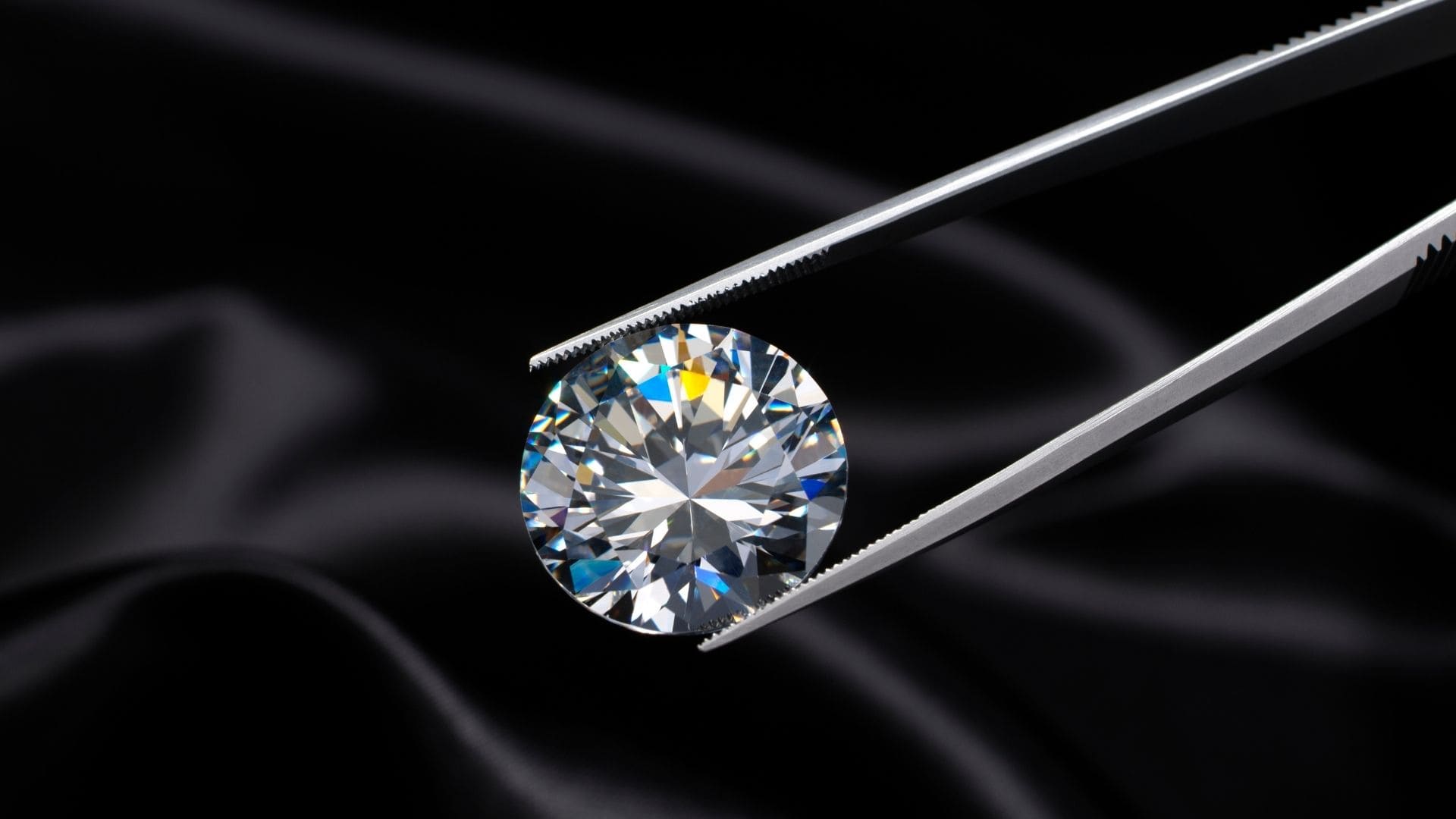
Understanding Lab Grown Diamonds
Diamonds created in a laboratory are real diamonds. They have the same chemical structure as stones formed underground. The difference lies in origin not composition. These stones grow in controlled environments that recreate the heat and pressure found in the earth. The result is a diamond that matches natural stones in hardness brilliance and durability.
You should know that lab grown stones are graded using the same standards as mined stones. Cut clarity color and carat weight apply in the same way. Independent laboratories issue grading reports that allow you to compare stones side by side. This matters when you are buying jewelry that you plan to wear often.
The production process allows tighter control over quality. In practice this means fewer inclusions and more predictable color. You are not relying on chance. You are choosing a stone based on clear data.
Why Earrings Are a Practical Choice
Earrings are one of the most worn pieces of jewelry. They sit close to the face and catch light from many angles. This makes diamond quality easy to notice. Earrings also face less physical impact than rings. That lowers the risk of damage over time.
For many buyers this makes earrings a sensible place to invest. You can enjoy visual impact without needing very large stones. Smaller diamonds still show strong sparkle when set correctly.
Lab diamond earrings, lab diamonds work well here because consistent quality matters more than rarity. When stones are matched in a pair even small differences become obvious. Lab grown production allows precise matching in size and color.
Cost and Value Considerations
Price is one of the main reasons people consider lab grown stones. You typically pay less for the same visible quality. The savings can be significant depending on size and grade.
This does not mean the stones are inferior. It means the supply chain is different. Mining costs transport and scarcity pricing do not apply in the same way.
You should think about value in terms of use not resale. Earrings are usually kept and worn rather than traded. If your goal is daily or frequent wear cost efficiency matters.
Example:
You choose 1 carat total weight studs.
Natural stones with high clarity cost much more.
Lab grown stones offer similar appearance for less.
The difference can be used for a better setting or secure backs.
How to Choose the Right Pair
Start with how you plan to wear them. Daily use calls for comfort and security. Occasional wear allows more flexibility in size and style.
Setting Style
The setting affects both appearance and durability. Common options include prong bezel and halo settings.
- Prong settings show more of the stone and increase sparkle.
- Bezel settings protect the edges and suit active wear.
- Halo settings add visual size using smaller surrounding stones.
If you move often or wear headphones choose low profile designs. If you want visual presence choose a setting that lifts the stone slightly.
Backing Type
Backings are easy to overlook. They matter more than you think.
- Push backs are simple but can loosen over time.
- Screw backs add security but take longer to remove.
- Locking backs offer balance between ease and safety.
For daily wear locking or screw backs reduce loss risk.
Stone Specifications
For earrings clarity requirements are slightly lower than for rings. Stones sit farther from the eye. You can prioritize cut and color.
Cut has the biggest impact on sparkle. Choose excellent or ideal when possible. Color in the near colorless range works well for most settings.
Lab diamond earrings, lab diamonds allow precise matching. This ensures both sides look the same under natural light.
Metal Choices and Skin Considerations
Metal choice affects comfort and appearance. It also affects maintenance.
White metals reflect light and enhance brightness. Yellow metals create contrast. Rose metals add warmth.
If you have sensitive skin choose metals with low nickel content. Platinum and high purity gold reduce irritation.
Think about how the metal works with your wardrobe. Neutral metals are easier to pair with daily clothing.
Ethical and Environmental Factors
Many buyers consider origin beyond appearance. Lab grown stones appeal to those who want more transparency. Production avoids large scale mining and land disruption.
You still need to check the manufacturer. Energy sources and labor practices vary. Look for companies that disclose production methods.
This does not require deep research. Clear written policies and third party certifications provide enough information to make an informed choice.
Care and Maintenance
Diamonds are durable but settings are not indestructible. Regular care extends lifespan.
Clean earrings every few weeks if worn often. Use warm water mild soap and a soft brush. Dry with a lint free cloth.
Check settings once or twice a year. Loose prongs are easier to fix early.
Store earrings separately to avoid scratching metal surfaces.
When Size Matters and When It Does Not
Bigger stones draw attention. Smaller stones blend into daily wear. There is no universal rule. Your lifestyle matters more than trends.
For work environments smaller studs are practical. For social settings larger designs may fit better.
Remember that matching quality matters more than raw size. A well cut smaller stone often looks better than a larger dull one.
Lab diamond earrings, lab diamonds make it easier to choose balanced proportions without stretching your budget.
Buying Online Versus In Store
Online buying offers wider selection. In store buying offers direct viewing. Both can work if done carefully.
Online:
You rely on grading reports and images.
Look for return policies.
Read measurements not just carat weight.
In store:
View stones under neutral lighting.
Ask to see certification.
Compare pairs side by side.
Choose the option that matches your comfort level. There is no correct path.
FAQ
Are lab grown diamonds real diamonds
Yes. They share the same physical and chemical properties as mined diamonds. They are not imitations.
Do lab diamond earrings last as long as natural ones
Yes. The diamonds themselves have the same durability. Longevity depends on setting quality and care.
Can people tell the difference by looking
No. Without specialized equipment the appearance is the same. Even professionals rely on testing to identify origin.