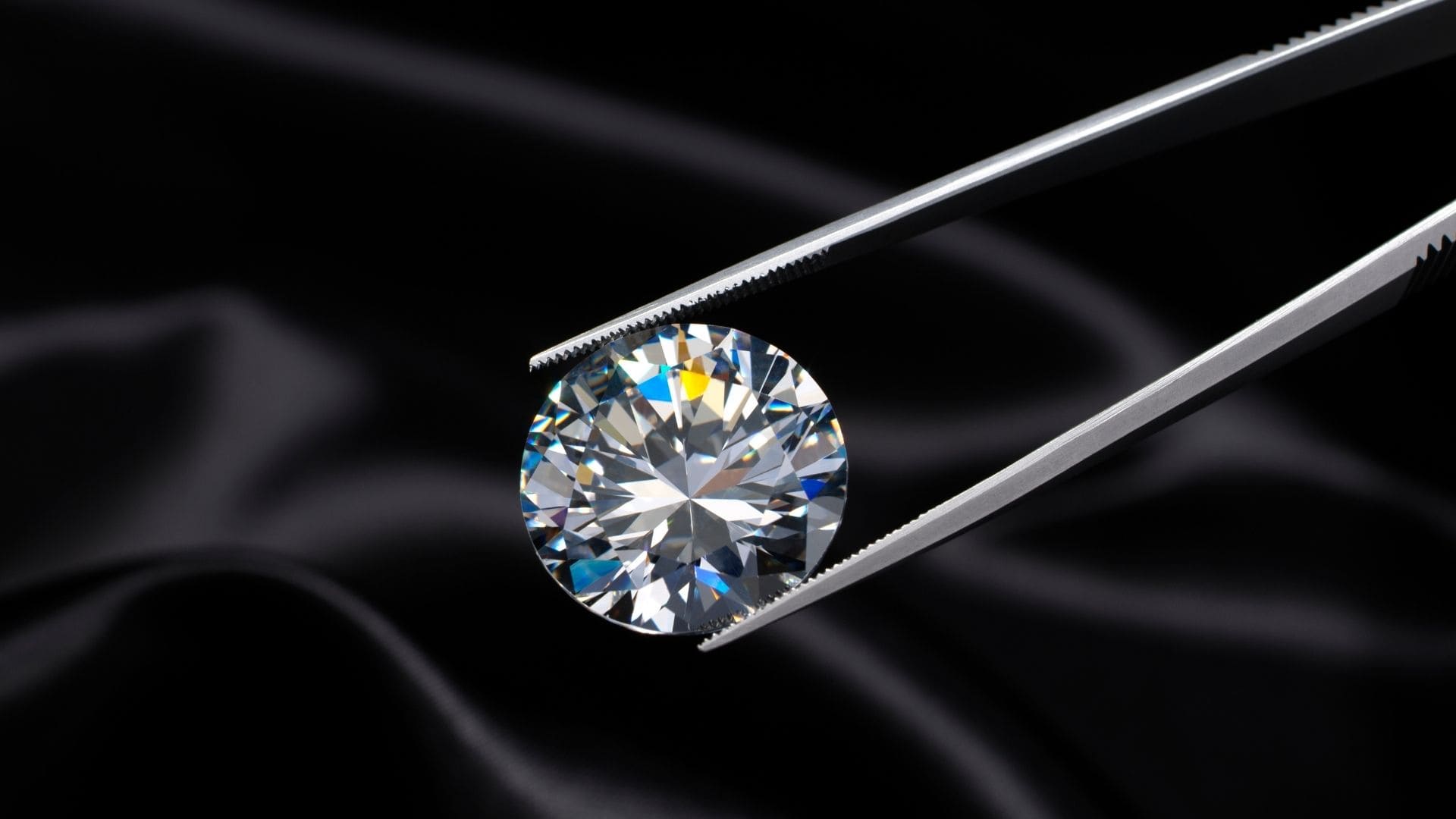
Diamond shopping has changed significantly in recent years. Buyers now have more choices beyond mined stones, especially when they want a larger diamond without stretching their jewelry budget.
If you plan to buy lab grown diamonds Germany, understanding quality, certification, pricing, and seller policies can make the process much easier. A beautiful stone still requires careful comparison. The best purchase balances appearance, reliable grading, setting quality, and clear after-sales support.
What Makes a Laboratory-Grown Diamond a Real Diamond?
A laboratory-grown diamond has the same basic crystal structure as a natural diamond. Instead of forming deep underground over a very long period, it develops in a controlled manufacturing environment.
Producers mainly use two methods: Chemical Vapor Deposition (CVD) and High Pressure High Temperature (HPHT). Both methods can create gem-quality diamonds suitable for engagement rings, earrings, necklaces, and other fine jewelry.
These stones should not be confused with cubic zirconia or moissanite. Those are diamond alternatives made from different materials. Lab diamonds, by contrast, are diamonds created through technological processes rather than geological ones.
For most buyers, the production method matters less than the finished stone. Cut quality, color, clarity, proportions, and independent grading usually deserve more attention.
Why German Buyers Are Considering Laboratory-Grown Stones
Price is one of the strongest reasons buyers explore laboratory-grown options. A shopper may be able to choose a larger carat weight or higher specifications while staying within the same budget.
Choice is another advantage. Online jewelers can offer extensive inventories across different shapes, including round, oval, emerald, pear, cushion, radiant, and marquise cuts. This variety helps buyers compare stones instead of accepting whatever happens to be available locally.
They also work well for shoppers who prefer a known production origin. However, buyers should still examine environmental or sustainability claims carefully. Manufacturing methods and energy sources can vary between producers.
How to Buy Lab Grown Diamonds Germany Shoppers Can Compare
A diamond should never be judged by carat weight alone. Two stones with the same weight can look noticeably different because of their cut, proportions, color, and clarity.
Start With Cut Quality
Cut has a major effect on how lively a diamond looks. A well-proportioned stone can return light effectively and appear bright from different viewing angles.
For round diamonds, grading reports often provide clear cut information. Fancy shapes require more visual judgment because their proportions vary. High-resolution photos and videos become especially useful when shopping online.
Do not automatically choose the largest stone your budget allows. A slightly smaller diamond with better proportions may have more visual appeal.
Balance Color and Clarity
Diamond color grades indicate how much visible color a stone shows. Higher grades can cost more, but many buyers do not need the highest available grade to get a bright appearance.
Clarity measures internal and external characteristics. Instead of paying only for a high clarity grade, look for a stone that appears clean without magnification at normal viewing distance.
The setting can influence these choices. White gold and platinum may make color easier to notice, while yellow or rose gold can give buyers more flexibility.
Compare Carat Weight With Measurements
Carat describes weight, not the exact visible size of a diamond. Two one-carat stones can have different face-up measurements.
Check the millimeter dimensions listed on the grading report. A stone with poor proportions may carry extra weight where you cannot see it. Comparing measurements helps you understand how large the diamond will actually appear once set.
Check the Grading Report Before Paying
Independent documentation gives buyers a clearer way to compare stones. Organizations such as the Gemological Institute of America (GIA) and International Gemological Institute (IGI) grade laboratory-grown diamonds.
A grading report may include carat weight, measurements, color, clarity, and other identifying information. Depending on the stone and report, it may also provide details about proportions and the production process.
Match the report number and specifications with the seller’s listing before purchasing. If a retailer provides only vague claims such as “premium quality” without useful grading details, ask for documentation.
A grading report does not tell you whether you personally find a diamond beautiful. It does, however, provide useful independent information for comparing similar stones.
Understand the Full Price Before Ordering
Anyone planning to buy lab grown diamonds Germany should compare the complete checkout price rather than the advertised stone price.
Germany’s standard VAT rate is 19 percent. Buyers should check whether the displayed retail price includes applicable taxes, especially when comparing German, EU, and non-EU sellers.
Purchases from sellers outside the EU can also involve shipping procedures, import costs, and longer return routes. Review these details before paying instead of assuming an attractive online price represents the final cost.
Also compare what the price includes. A loose diamond, finished engagement ring, custom setting, resizing service, and insured delivery are different purchases.
Examine the Setting, Metal, and Craftsmanship
The center stone often receives most of the attention, but the setting affects both appearance and daily wear.
Common choices include platinum, yellow gold, white gold, and rose gold. Buyers should check the metal purity, setting construction, prong design, and band dimensions. Very thin bands can look delicate but may not suit every lifestyle.
Consider how the ring will sit beside a future wedding band. Some engagement ring designs allow another band to sit flush, while others leave a gap.
For earrings and pendants, inspect the fastening system and metal specifications. Fine jewelry should be evaluated as a complete piece, not simply as a diamond attached to a setting.
Review Returns and Warranty Terms Carefully
Return policies matter because photographs cannot perfectly reproduce how a diamond looks on your hand.
EU consumer rules generally provide a 14-day withdrawal period for many online purchases. However, exceptions can apply, including certain products made to a customer’s specifications or clearly personalized items.
Before ordering a custom ring, read the seller’s specific terms. Check whether resizing, engraving, made-to-order settings, or other customization affects return eligibility.
The retailer should also clearly disclose the total price, major product characteristics, delivery charges, and relevant purchasing terms before an online sale.
Warranty coverage deserves attention too. Find out what happens if a prong becomes loose, a small side stone falls out, or the ring needs inspection.
Avoid These Common Buying Mistakes
A few simple checks can prevent disappointing purchases.
First, avoid choosing solely by carat weight. Size means little if the stone has weak proportions or poor visual performance.
Second, do not assume the highest color and clarity grades automatically provide the best value. Differences visible under laboratory conditions may be difficult to notice during normal wear.
Third, compare return conditions before choosing between sellers. A small price difference may not be worthwhile if one retailer provides clearer support and better return options.
Finally, keep realistic expectations about resale. Laboratory-grown diamond prices can change as production technology and supply develop. Buy primarily for the jewelry’s personal use and enjoyment rather than assuming future appreciation.
Online Shopping Versus Buying From a Local Jeweler
Online shopping offers convenience and a broad inventory. Filters make it easy to compare carat weight, shape, color, clarity, measurements, and prices without visiting several stores.
A local jeweler offers a different advantage. You can examine stones in person, compare settings on your hand, and discuss sizing directly with a professional.
A useful approach combines both methods. Research specifications and prices online first, then compare similar jewelry in person when possible. This gives you a better sense of what different carat sizes and shapes actually look like.
Making the Final Choice
Before you buy lab grown diamonds Germany, decide which qualities matter most to you. Set a complete budget that includes the diamond, setting, taxes, delivery, and possible resizing.
Prioritize visual quality, verify independent grading information, and compare actual measurements instead of relying on carat weight alone. Read return and warranty terms before placing the order, especially for customized jewelry.
Well-chosen lab diamonds can offer buyers flexibility in size, design, and budget. Focus on a stone you enjoy looking at, a setting suited to daily wear, and a seller that provides clear documentation and purchasing terms. That combination makes a confident jewelry purchase far easier.