I’m writing this from the perspective of someone who’s spent more than a decade around jewellers, diamond buyers, and couples nervously choosing engagement rings under bright showroom lights. And honestly, the shift I’ve seen toward lab grown diamonds hpht has been one of the most fascinating transformations in the industry.
A few years ago, hardly anyone knew how these stones were made. Now, shoppers are not only curious — many are genuinely excited about what lab made diamonds can offer. And if you’ve ever held one in your hand, well, you’ll know the sparkle hits differently when you understand the story behind it.
This article dives into the lab grown diamonds hpht process, how it compares to other methods, and why lab made diamonds are shaping the future of jewellery in Australia. I’ll also weave in some real-world observations, the sort you only learn by watching customers fall in love with a stone’s brilliance right in front of you.
Why Australians Are Warming to Lab Made Diamonds
You might not know this, but Australia is one of the fastest-growing markets for lab made diamonds. We’ve always been practical buyers — value matters, sustainability matters, and transparency definitely matters. And these stones tick every box.
Well, at least for most people. I still meet shoppers who hesitate because the phrase lab grown throws them off, like the diamond came out of a 3D printer or something. But when they see a lab grown diamonds hpht stone sparkling next to a mined diamond, the difference is impossible to spot. Even with specialised tools, gemologists often need detailed analysis to distinguish them.
So the first truth is this: lab made diamonds are real diamonds. They’re not substitutes or imitations. They have the same crystal structure, the same hardness, and the same fire that makes your breath catch for a moment when the light hits just right.
Understanding the HPHT Method: Diamonds Made Under Pressure
Now, let’s unpack what lab grown diamonds hpht actually means.
HPHT stands for High Pressure, High Temperature, a process that replicates the conditions deep inside the earth where natural diamonds form. You start with a tiny diamond seed, apply massive pressure and scorching temperatures, and slowly, the carbon builds layer by layer until a full diamond crystal emerges.
I was genuinely surprised the first time I saw the machines up close — they look like something out of a sci-fi film, humming quietly as they grow stones that will one day sit on someone’s finger. It’s science, sure, but it still feels a little magical.
Here’s why the HPHT method has become a favourite:
- It produces diamonds with exceptional brilliance and stability.
- HPHT diamonds often display stronger fluorescence, which many buyers enjoy because it gives the stone a lively glow.
- The method is ideal for growing larger stones — something shoppers appreciate when comparing prices with mined diamonds.
If you want a deeper technical breakdown, there’s a solid resource here:
lab grown diamonds hpht
HPHT vs CVD: Why This Matters When Choosing a Diamond
There are two major methods used for growing diamonds: HPHT and CVD. Both produce beautiful gems, but from years of talking to jewellers, I’ve noticed subtle preferences.
CVD can sometimes produce stones with slight structural strain, while HPHT tends to create more robust crystals. On the other hand, CVD often achieves cleaner stones. So it really depends on what you value.
When I help couples choose an engagement ring, I always encourage them to look at the stone, not the method. Some HPHT stones outshine almost any mined diamond I’ve ever seen. Others, well, they’re not your forever stone. Same goes for CVD.
That’s the human element that’s sometimes missing from online guides — real diamonds, whether mined or lab made diamonds, each have their own quirks and character.
The Beauty of Lab Made Diamonds: What You Actually See
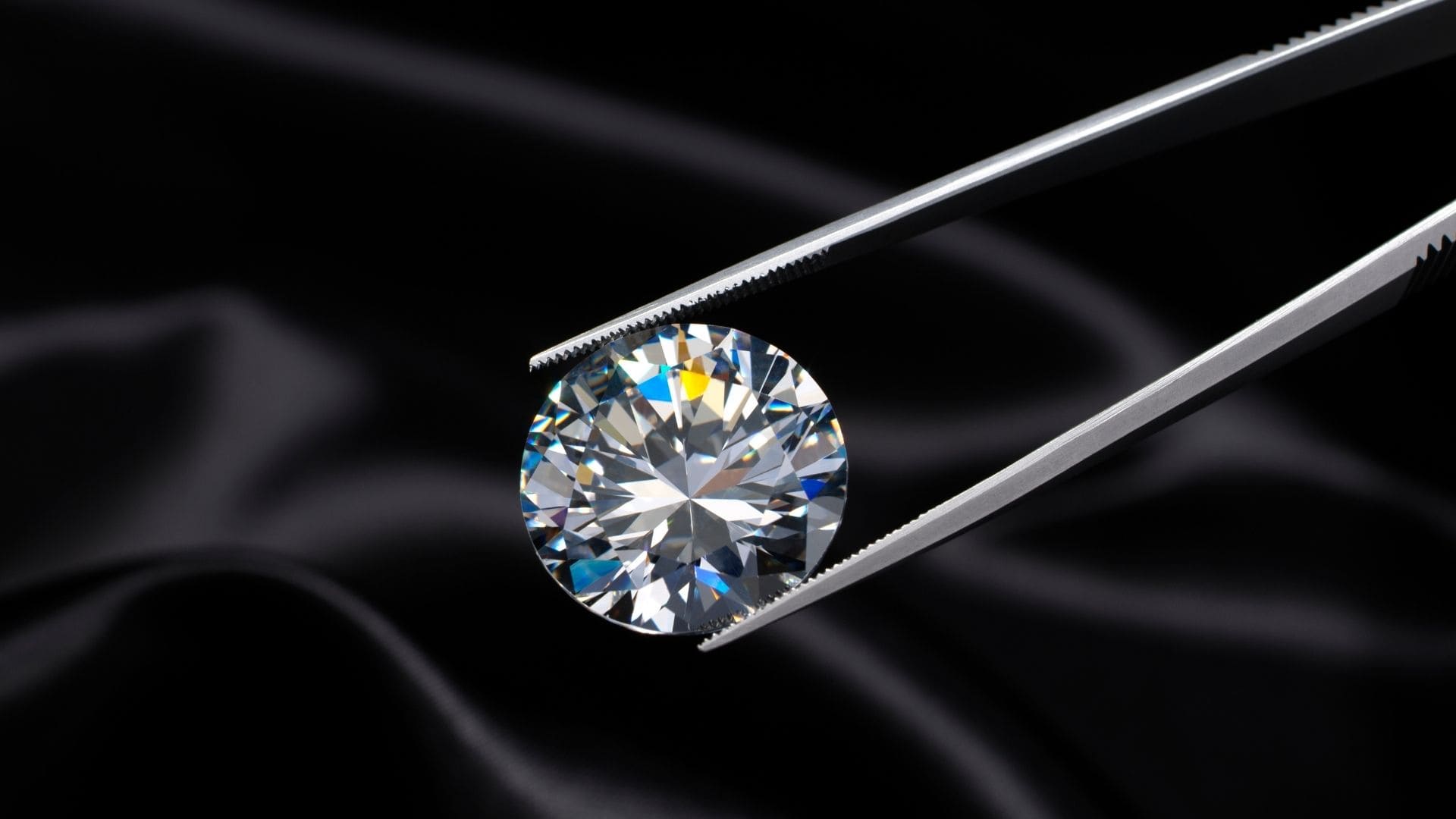
Let’s get practical. When you look at a lab grown diamonds hpht stone, what are you seeing?
- Brilliance – HPHT diamonds often have a very crisp, bright sparkle.
- Fire – Those rainbow flashes can feel more vivid under Australian sunlight.
- Clarity – Many HPHT stones come out impressively clean.
- Colour – HPHT is excellent for creating near-colourless or fancy-colour diamonds.
And yes, I’ve had shoppers tell me they chose their stone simply because “it felt alive.” There’s something warm and human about that decision.
The Ethical Shift: Why Buyers Feel Better About HPHT Diamonds
You might have noticed that modern buyers are far more conscious about where their products come from. Diamonds are no exception.
Lab made diamonds remove the uncertainty around mining conditions, environmental impact, and traceability. HPHT stones, in particular, have a very clear origin story — one that appeals to people who want to feel good about their purchase.
A couple I worked with not long ago said choosing a lab grown diamonds hpht stone made them feel like they were “starting their marriage with values that matter.” That stuck with me. Jewellery has always been emotional; now it’s ethical too.
The Value Conversation: Is HPHT Worth It?
Let’s talk money — everyone thinks about it, even if they pretend they don’t.
A lab grown diamonds hpht stone gives you exceptional value for size, quality, and appearance. It’s why so many Australians are trading up. Instead of a 1-carat mined diamond, you might walk away with a 1.7-carat lab made diamonds piece for the same price.
That doesn’t mean the diamond is “cheaper.” It means the market has finally caught up with logic. The beauty is the same. The durability is the same. But the cost reflects a technological process rather than a long supply chain.
If you’re browsing options, this guide might help:
lab made diamonds
How to Evaluate an HPHT Diamond Like a Pro
If you’re considering a lab grown diamonds hpht stone, here’s how to assess it:
1. Ask for Certification
Always check for IGI or GIA reports. They document the method (HPHT or CVD), colour, clarity, cut, and any treatments.
2. Look at Cut First
Honestly, cut affects sparkle more than anything else. A well-cut HPHT diamond can absolutely dazzle.
3. Compare Stones Side by Side
I’ve seen customers fall instantly in love with one stone even when another had “better” stats.
4. Don’t Overthink the Method
Both HPHT and CVD are excellent. Focus on what you see and feel.
Why HPHT Diamonds Are the Future of Jewellery in Australia
Here’s something I’ve noticed: when customers buy a lab grown diamonds hpht piece, they tend to talk about it proudly. There’s no awkwardness, no downplaying. Many even tell friends about the science behind the stone.
That sense of confidence is reshaping the industry. Jewellers are expanding their collections. Designers love working with predictable, high-quality stones. And shoppers appreciate knowing exactly what they’re paying for.
I genuinely believe this shift is permanent. The next generation won’t be asking whether lab made diamonds are “real.” They’ll be asking which method produced the best sparkle.
A Final Reflection
Writing about diamonds always feels a little personal. Maybe it’s because every stone, whether mined or lab made diamonds, ends up representing someone’s milestone — a proposal, a celebration, a win, a memory.
Lab grown diamonds hpht aren’t just a trend. They’re part of a much bigger story about how we choose beauty, value, and meaning in a changing world.