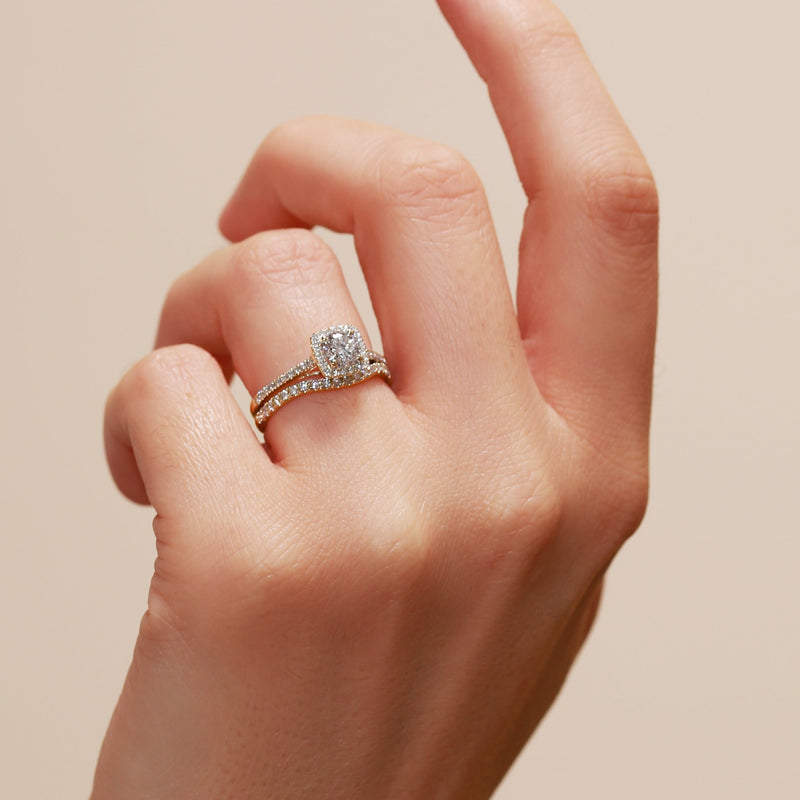
Lab-made diamonds, also known as synthetic diamonds, have revolutionized the jewelry industry in recent years. These diamonds are chemically, physically, and optically identical to natural diamonds, but they are created through human-controlled processes in a laboratory. While many people might think of diamonds as rare and only found in nature, lab-made diamonds provide an ethical and sustainable alternative. Understanding the composition of these diamonds helps to appreciate their uniqueness and value.
The Process Behind Lab-Made Diamonds
The process of creating lab-made diamonds involves mimicking the natural conditions under which diamonds form in the Earth. The two main methods for producing lab diamonds are High Pressure High Temperature (HPHT) and Chemical Vapor Deposition (CVD). Both methods create diamonds by using carbon as a base element, but they achieve this in different ways.
In the HPHT method “Composicion de diamantes de laboratorio“, a tiny diamond seed is placed in a chamber where both high pressure and high temperature are applied, simulating the extreme conditions found deep within the Earth. The carbon atoms from a carbon source (often graphite) then crystallize around the seed, eventually forming a diamond.
The CVD method, on the other hand, involves using a gas mixture (typically hydrogen and methane) in a vacuum chamber. The gases are ionized, and the carbon atoms are deposited onto a diamond seed, gradually building up layers of diamond crystals. The process is slower than HPHT, but it offers more control over the diamond’s size, color, and clarity.
Chemical Composition of Lab-Made Diamonds
The chemical composition of lab-made diamonds is identical to that of natural diamonds. Both are primarily composed of carbon atoms arranged in a crystal lattice structure. This unique atomic arrangement gives diamonds their unmatched hardness, brilliance, and ability to reflect light. The carbon atoms in lab-made diamonds are bonded in the same tetrahedral structure as those found in natural diamonds, which is the key to their remarkable durability.
In addition to carbon, trace elements can sometimes be present in lab diamonds, just as in natural diamonds. These include nitrogen, boron, or hydrogen, which may influence the color or electrical properties of the diamond. For example, the presence of nitrogen can give a diamond a yellowish hue, while boron can impart a blue color.
Physical Properties of Lab-Made Diamonds
Lab made diamonds possess the same physical properties as their natural counterparts. They are the hardest known material, ranking 10 on the Mohs scale of hardness, which makes them ideal for use in various industrial applications, including cutting, grinding, and drilling. Lab-made diamonds also have excellent thermal conductivity, making them valuable for electronic and semiconductor industries.
The brilliance of a diamond is determined by how well it reflects and refracts light. Lab-made diamonds, like natural diamonds, exhibit exceptional optical properties due to their precise crystal structure. When light enters a lab-made diamond, it is refracted, creating the sparkling effect that diamonds are famous for.
Environmental and Ethical Benefits
One of the key advantages of lab-made diamonds is their environmental and ethical benefits. Unlike natural diamonds, which are often mined through processes that can lead to habitat destruction and unethical labor practices, lab-made diamonds are created with minimal environmental impact. The energy used to produce these diamonds is often sourced from renewable resources, and the materials are sourced ethically.
Furthermore, lab-made diamonds are free from concerns such as “blood diamonds,” which are diamonds mined in conflict zones and sold to fund armed conflicts. By choosing lab-made diamonds, consumers are making an environmentally conscious and ethically sound choice.
Conclusion
The composition of lab-made diamonds, from their chemical structure to their physical properties, makes them indistinguishable from natural diamonds. Their ethical and environmental benefits make them an appealing choice for consumers looking for sustainable options without sacrificing quality or beauty. As technology advances, the ability to create lab-made diamonds continues to improve, making them more accessible and increasingly popular as an alternative to traditionally mined diamonds.