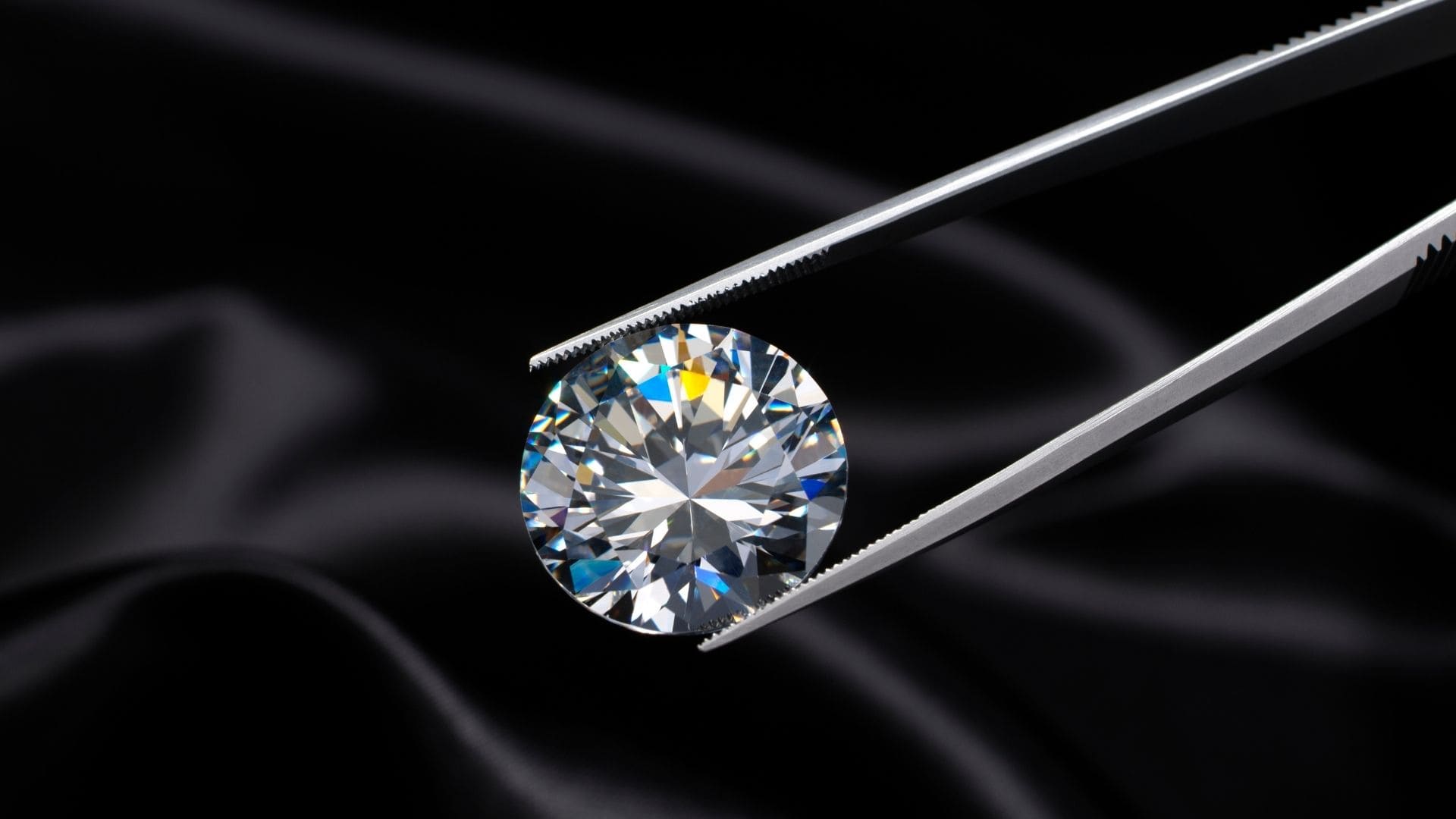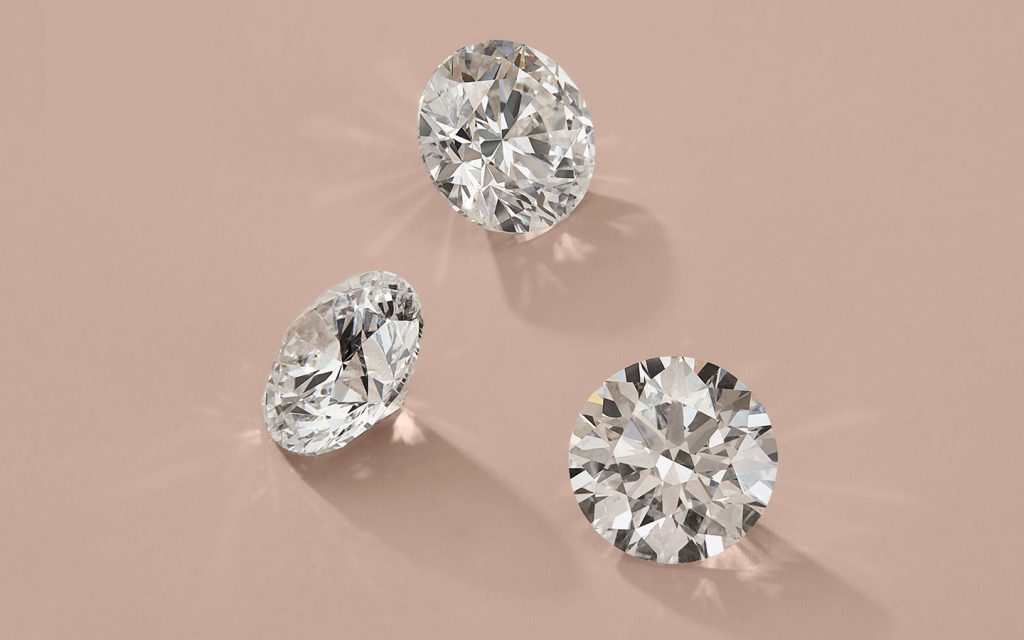
Ever gone shopping for diamonds and suddenly felt like you need a PhD just to understand the paperwork? Yeah, you’re not alone. Between all the acronyms, grades, and shiny certificates, it can feel more like homework than jewellery shopping. One of the biggest head-scratchers is the gia vs igi debate—especially when it comes to lab created diamonds.
So, let’s break it down. No stiff jargon, just the real talk you wish someone had given you sooner.
Why This Even Matters
Here’s the thing: diamonds are emotional. You don’t buy one because you’re bored. You buy it for a reason—a proposal, an anniversary, maybe even as a treat-yourself moment (and if that’s you, honestly, respect).
But here’s where it gets tricky. Whether you go natural or lab created diamonds, you’ll notice the certificates. GIA. IGI. EGL. The list goes on. Each grading lab tells you how your diamond measures up in the classic “4 Cs”—cut, color, clarity, and carat. And those grades affect the price tag in a big way.
Think about it: you wouldn’t buy a luxury car without checking the inspection report, right? Same logic here.
GIA vs IGI: The Breakdown
So let’s talk about the two heavyweights.
-
GIA (Gemological Institute of America): This is like the Harvard of diamond grading. Ultra-strict. Traditional. When GIA says your diamond is a “G color, VS1 clarity,” you can bet your last dollar it’s accurate. They’re trusted worldwide, but the process can be slow and, honestly, a bit pricier.
-
IGI (International Gemological Institute): IGI is more approachable. Faster turnaround, slightly more affordable, and often more popular with lab created diamonds. Why? Because they embraced lab-grown grading early on, while GIA was still dragging its heels. IGI reports are recognized globally, though some old-school buyers say IGI can be a little “softer” in grading compared to GIA.
Let’s be fair—neither is “bad.” It’s more like choosing between an Apple and an Android. Both do the job, but in slightly different styles.
What’s Trending Right Now
Here’s the surprising bit: younger buyers are leaning more towards lab created diamonds certified by IGI. It makes sense. They’re cheaper, eco-friendlier, and IGI has made itself the go-to for lab-grown stones.
But don’t count GIA out. They’ve stepped up in the last few years, now grading lab-created stones too. And for people who want that “gold standard” prestige, GIA still holds weight.
If you’re shopping, here’s a quick thought exercise:
-
Want absolute accuracy and don’t mind paying more? Go GIA.
-
Want speed, slightly better prices, and strong lab-grown focus? IGI could be your best friend.
See? No rocket science needed.
A Local Twist: Why It Matters Where You Buy
Here’s something most people don’t realize: depending on where you’re shopping—say in New York vs Dubai vs Hong Kong—the certificate might carry more weight. In places like Asia or the Middle East, GIA tends to dominate because buyers want the prestige stamp. In Europe, IGI often feels more common, especially with lab created diamonds.
It’s a bit like fashion brands. Chanel in Paris might be the ultimate flex, while in Tokyo, it could be Comme des Garçons. Same with diamond grading—local context plays a huge role.
The Buying Process Without the Stress
Alright, let’s make this simple. You’ve found the diamond you like. Now what?
-
Check the Certificate. GIA or IGI—just make sure it exists. No certificate = red flag.
-
Compare Apples to Apples. A GIA “H” color may not look the same as an IGI “H.” Keep that in mind.
-
Look at the Stone. Seriously, don’t just stare at paper. Your eyes matter more than numbers sometimes.
-
Ask About Returns. Because let’s be honest, sometimes you get it home and it just doesn’t feel right. That’s okay.
-
Trust Your Gut. If you’re overthinking the GIA vs IGI thing, pause. Remember the bigger picture—you’re buying meaning, not just minerals.
Wrapping It Up
At the end of the day, the whole GIA vs IGI debate boils down to preference. Both labs do their job, and both have strengths. If you’re buying lab created diamonds, IGI might feel like the natural choice. But if prestige and strict grading matter to you, GIA is still the heavyweight champ.
Here’s the truth: whichever you pick, what matters most is how that diamond makes you—or someone you love—feel. Paperwork is important, sure. But it’s the sparkle in real life that tells the real story.
And that’s something no certificate can grade.